View All Topics
Mental wellbeing
Common mental illnesses that affect the health of older adults include Alzheimer’s disease and other dementias and depression and anxiety. Mental health issues affect physical health, emotional and social well-being, and overall quality of life. Supporting mental health is a critical consideration to the healthy aging process.


Medication, psychological therapy… What does the latest research tell us about treatments for depression?
Read Blog Post

Get the latest content first. Sign up for free weekly email alerts.
Subscribe
Filter Results
Want to know what professionals are reading?
Search all our content.Browse other AGE-WELL categories
-
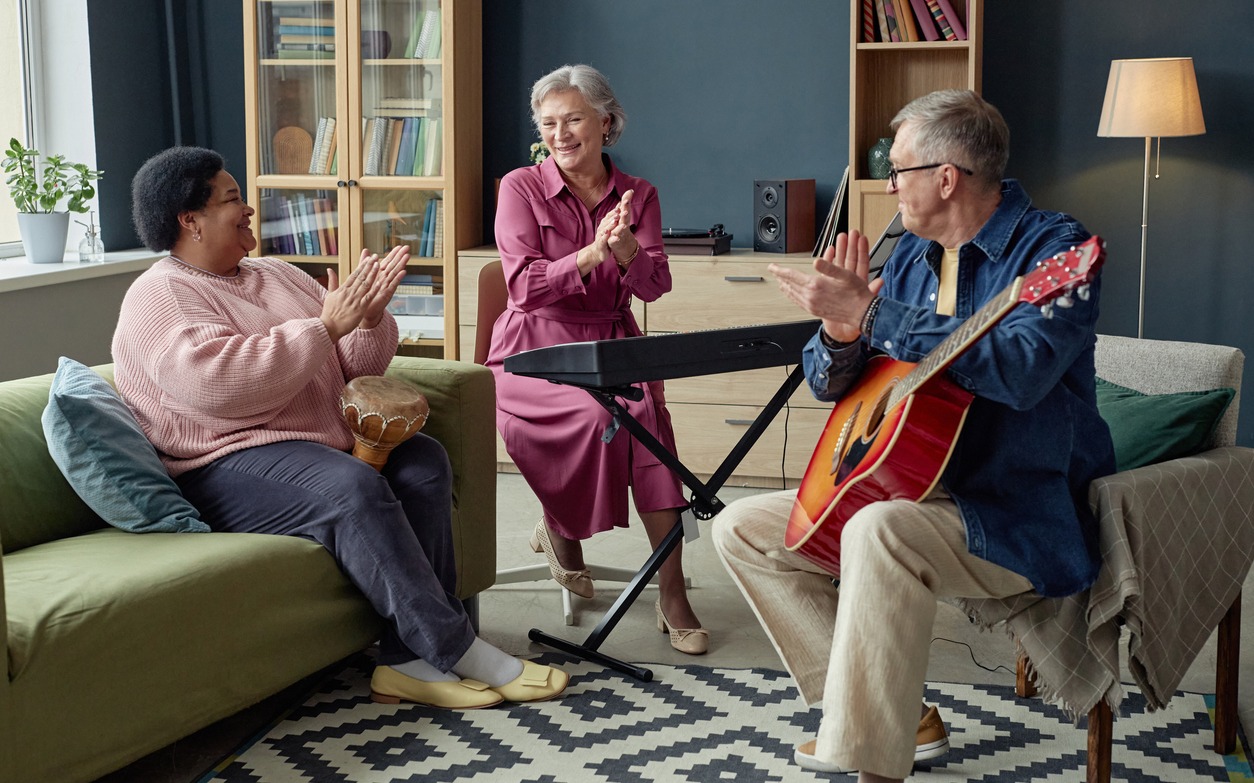
Engaging in the arts to improve mental well-being
Research explores the effects of group art-based programs on depressive symptoms. -
Getting interactive with our mental health through e-learning lessons
Learn about depression, anxiety disorders, and social isolation through the McMaster Optimal Aging Portal’s interactive e-learning lessons. -
Antidepressants for anxiety: Where does the evidence stand?
Research continues to support the effectiveness of certain medications in treating anxiety. -
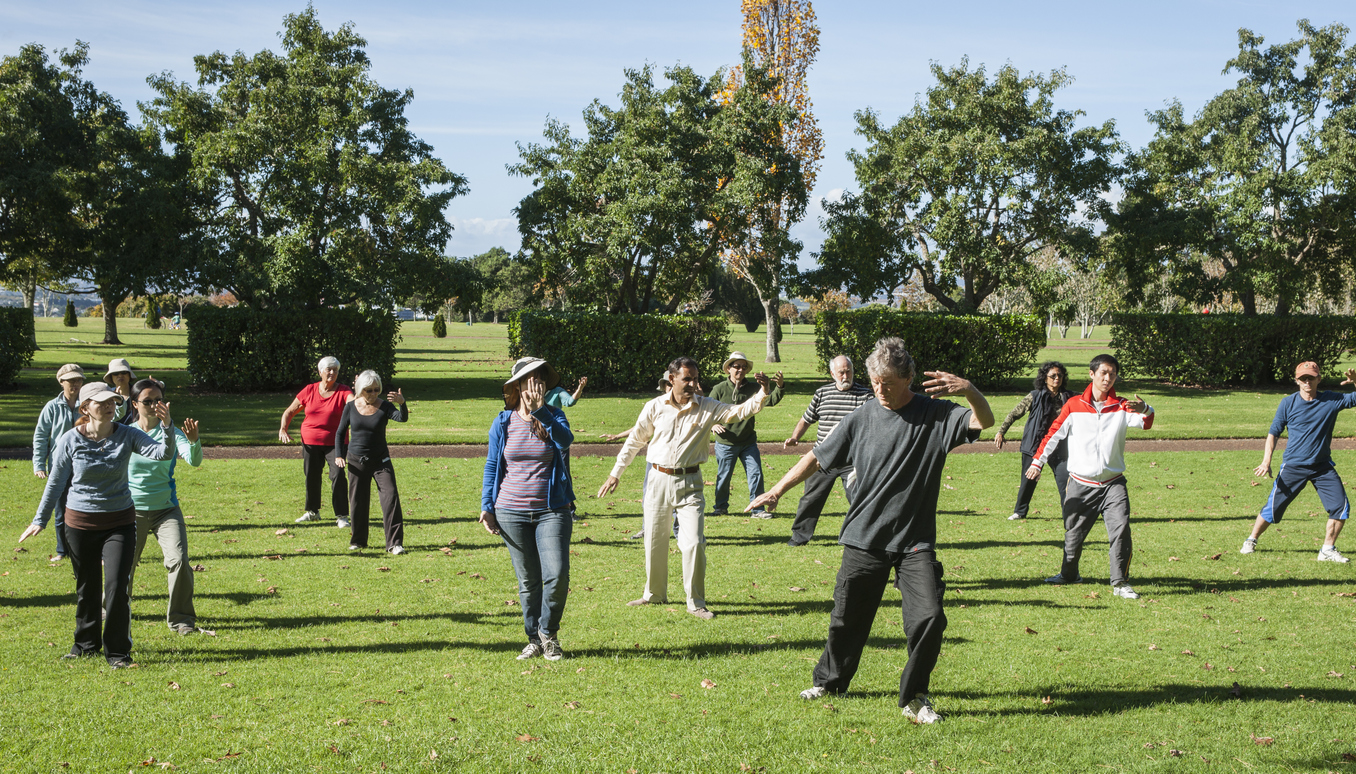
Can traditional Chinese exercises boost our mental health?
Tai Chi and Qigong! Research showcases the effect of traditional Chinese exercises on symptoms of depression and anxiety. -
Supporting Bereavement in Later Life: What Older Adults Need to Know
Grief can feel isolating at any age, but in later life, it can come with added challenges. But, no one has to navigate grief alone—find out how to get support. -
Being one with nature: The effects of forest therapy
Is nature calling us back? Research looks at the health benefits of forest therapy. -
Mental health and heart disease: Can psychological therapies help?
Getting to the heart of it! Psychological therapies can play a role in improving the mental health of people living with heart disease. -
4 therapies to help improve psychological health and mental well-being
Research spotlights a range of psychotherapies and lifestyle therapies that aim to enhance psychological health and mental well-being. -
Battling social isolation and loneliness from home
Making connections! Looking at the impacts of home-based strategies for improving social connectedness and loneliness. -
Caring for the psychological health of caregivers: Acceptance and commitment therapy
Are you a caregiver for someone with a chronic health condition? Acceptance and commitment therapy (aka ACT) can hold benefits for your psychological health. -
Breaking bread alone or in company
What do we know about the impact of eating alone or with others on health and well-being? -
Technostress: The 'dark side' of technology in the workplace
Information and communication technologies (ICT) have long been used in the workplace and have recently seen a new boost due to the COVID-19 pandemic. Many workers are encouraged, and under the obligation, to use technologies: computers, softwares, virtual communication platforms, mobile applications. ICT makes work easier, but it can also be stressful and even harmful to health. Are you "technostressed"? -
Social isolation and loneliness among immigrant and refugee seniors
Immigrant and refugee seniors are at greater risk of suffering from social isolation and loneliness than their Canadian born peers because they face unique challenges: linguistic differences, cultural barriers, racism and discrimination, limited social networks, and obstacles to social participation. Learn more about how support the social engagement of immigrant and refugee seniors. -
Joy, an emotion that transcends the age barrier
Joy among older adults has received little attention in the scientific literature, even though it is highlighted as being important to older adults themselves in terms of health and well-being. -
Bullying between residents in nursing homes: Be part of the solution, not the problem
As society pays increasing attention to addressing bullying in schools and workplaces, bullying among seniors remains a taboo and neglected issue. Did you know that recent studies show that about 1 in 5 seniors are bullied? -
Interventions to address grief symptoms
The majority of bereaved people come to terms with the loss and move on. However, some people (up to 1 in 5) experience great distress that does not go away despite the passage of time. Learn more about what is known about interventions to address grief symptoms. -
From homelessness to stability: The types of accommodation that make a difference
Access to safe, stable and adequate housing is recognized as a fundamental human right and is essential to create the conditions for people to live healthy, safe and happy lives. However, a growing number of people are experiencing homelessness. -
3 evidence-based strategies for reducing loneliness and social isolation
You do not have to go it alone! From exercise to reminiscence therapy, research illustrates there are various strategies that help to reduce loneliness and social isolation. -
Cryptocurrencies and addiction: be cautious
It is estimated that 425 million people around the world owns cryptocurrencies (also known as digital or virtual currencies). There appears to be a relationship between trading in high-risk cryptocurrencies or stocks and compulsive gambling. Learn more about cryptocurrencies and their associated health risks. -
Self-harm: Identifying the signs and taking action
Each year, nearly 25,000 Canadians are hospitalized or die as a result of intentional self-harm. Self-harm is closely associated with suicide in older adults and may provide an opportunity for intervention to prevent suicide. -
My memories, my digital heritage
Many seniors suffer from physical or mental health problems such as depression, anxiety or loneliness. Aging can also be accompanied by a decrease in autonomy and a sense of loss of identity. Does the ability to tell one's story in a digital format improve the well-being of older adults? -
Strategies to help battle loneliness and social isolation in our golden years
Lean on me? Research brings attention to potential strategies for reducing loneliness and social isolation in older adults living in the community and long-term care settings. -
4 evidence-based benefits of health-related mobile apps
Is there an app for that? It is highly likely when it comes to health-related matters. Research suggests the following may be positively impacted by mobile health apps: weight management, blood sugar control, mental well-being, and physical activity. -
Horticultural therapy: Are there benefits to guided gardening?
Happy gardening! Research shows that horticultural therapy may hold physical and emotional health benefits. -
Do you remember when we first met?
Do you remember the first look or kiss you shared with your significant other? Co-reminiscence about early relationship development can boost feelings of closeness and support for older couples. -
Engaging in meaningful activities outside of care settings: What’s the impact on people with dementia?
Getting out and about! Preliminary research shows that engaging in meaningful activities outside of aged care facilities may have positive effects on the health and well-being of people living with dementia. -
Parkinson's disease: opening the dialogue to avoid self-stigma
Parkinson’s is the world’s fastest growing neurological disease. People with Parkinson's disease not only have to live with complex symptoms, but also must face stigma that can become internalized. -
Can past traumas hinder the ability to age in place?
"Aging in place" is the preference of most people. However, the idea of aging in place can take on a whole new meaning for people who have experienced trauma such as neglect, oppression, sexual abuse, violence, complicated grief, or any other extremely difficult life event. -
The other side of the screen
Although no robust systematic review could be identified about zoom fatigue among older adults and the general population, experts have raised a red flag. The overuse of virtual communication platforms could lead to cognitive distortions and non-verbal overload inherent in video communication. This could even increase feelings of isolation and anxiety. -
Dogs: Companions for life
"Man's best friend" is a common phrase referring to the close relationship of loyalty and friendship between dogs and humans. The physical and psychological health benefits of owning a dog appear to be numerous. But does owning a dog lead to a longer, healthier life? -
Emotional closeness between grandparents and grandchildren
Sometimes a unique bond develops between grandparents and their grandchildren. But what factors can influence this emotional closeness, and what impact can it have on grandparents and grandchildren? -
Treating symptoms of depression in people with dementia: Are non-drug strategies a promising option?
Are you or someone you know dealing with dementia and symptoms of depression? Get to know some of the available non-drug treatment options. -
5 evidence-based tips for living with mild cognitive impairment or dementia
Are you or someone you know living with mild cognitive impairment or dementia? Research points to five strategies that can help improve cognitive and mental health. -
Social isolation: Leaning on technology for our mental well-being
Can telemedicine-based strategies help improve your mental well-being? Research shows some promise for improving depressive symptoms. -
Trees in the city: the roots of health and well-being
The environmental benefits of urban green spaces are well known: greenhouse gas reduction, stormwater control, biodiversity conservation, and more. But did you know that urban trees are also associated with human health and well-being? -
12 steps towards recovery: Can engaging in support programs help with alcohol use disorder?
Are you or someone you care for looking for a program to support recovery from alcohol misuse and dependence? See what the research says about widely used recovery support services. -
Let’s get visual! The “art” of improving cognitive ability and mental wellbeing
Can leaning into your “artsy” side enhance your cognitive health? See what the evidence has to say about the use of visual art therapy for people with different levels of cognitive health. -
The untold story inside you
Do you suffer from depression, social isolation or chronic conditions? Wondering how to get through the winter, confined in your home because of COVID-19? Could writing help you get out of the winter gloom, or even improve your physical and mental health? -
Cognitive impairment and dementia: Using cognitive training to cope with the accompanying depression
Coping with the consequences of mild cognitive impairment or dementia is difficult enough without having to deal with depression as well. Can cognitive training provide any relief when it comes to depression? -
Grieving experiences in the context of a pandemic: how to support individual and collective grief
In recent months, voices have been raised calling for a national strategy to support mass grieving and bereavement during the current and future pandemics. But what programs and services could be put in place to support those who must cope with the loss of a loved one during pandemics? -
Mental well-being: What’s ‘food’ got to do with it?
Can diet impact mental well-being? Emerging evidence gives us some food for thought. -
“Laugh out loud!” Leaning on laughter and humour during difficult times
Some evidence highlights the potential benefits of laughter and humor interventions, as well as the need for more research on their use. -
Looking for exercises to do at home? Pilates and yoga can help you keep physically and mentally fit!
While at home, keep all facets of your health and well-being a priority! What benefits do Pilates and yoga have to offer? -
Are you a caregiver? Support may be just a “couple of clicks” away!
Research shows that online support services can be a beneficial alternative for caregivers. -
Identity on the plate: food activities can help older adults maintain their identity
Food not only nourishes the body, it helps maintain or rebuild the individual and social identity of older adults. Deteriorating health or any other change due to aging threatens the social context of food activities, which can lead to social isolation and an identity crisis. -
Don’t go for broke : Addressing gambling-related harms
Though most people gamble safely for entertainment, there is an emerging concern about gambling-related harms among some individuals and communities. There is a need to consider what changes could be made to reduce gambling-related harms and better support those at risk of problem-gambling behaviours. -
Cognitive behavioural therapy: Prevent depression before it starts
Depression is a difficult road to travel. Research has shown that psychological and educational approaches may be effective in helping to prevent it. -
Immersive technologies to address social isolation: Is a technological solution feasible and desirable?
Immersive technologies are developing at great speed and have spread to many areas. While some envision that immersive technologies could alleviate social isolation and loneliness, the evidence remains limited and some experts have expressed concerns that they may actually exacerbate social isolation. -
Conquer your fear of falling with cognitive behavioural therapy
Many older adults have a fear of falling. Cognitive behavioural therapy may help people overcome this fear by reducing negative thoughts about falls and shifting their focus to what they can do to curb their falls risk. -
Companion animals: can they alleviate loneliness among older adults?
Companion animals and animal-assisted therapies can improve the physical and mental health of older adults, and animal-assisted therapies appear promising to alleviate loneliness among older adults. -
Get back to your artistic passions to boost your health and well-being
Arts have beneficial effects on patients, but also on community-dwelling older adults. It may be time to wake the artist inside you. -
Can exercise trim your risk for breast cancer recurrence?
Exercise can have benefits for women who have gone through breast cancer treatment. But can it prevent breast cancer’s return? Unfortunately, the jury is still out. -
The men’s sheds : A safe and inclusive space for older men
Developing activities to promote social activity among older men, especially those who are lonely or socially isolated, is complex. "Men's sheds" can have beneficial effects on mental health and social well-being by allowing men to work, break social isolation and give back to their community. -
Breaking down the walls of solitude
Many older adults suffer from loneliness, which is often exacerbated by illnesses or the loss of a loved one. Older adults have different strategies for dealing with loneliness, but those around them also need to help break down the walls of solitude. -
The sound of music: promoting the social well-being of older adults with dementia and their caregivers
Music can promote the social well-being of older adults with dementia and their caregivers. Let the sound of music brighten up our homes and communities for the well-being of older adults and their caregivers. -
Depression got you down? Try these 3 self-care strategies
Coping with depression can feel like an uphill battle. In addition to treatments prescribed by your doctor, taking an active role in your treatment through self-care strategies – such as exercise, mindfulness-based cognitive therapy, and reminiscence therapy – can make a big difference in how you feel. -
How do older adults perceive abuse?
Greater efforts must ensure the voices of older adults are heard and acted upon when it comes to addressing the problem of abuse. -
What factors lead to early retirement due to disability?
Psychological and organizational factors at work contribute to early retirements due to disability. These factors need to be recognized and addressed to lessen their influence on workers who leave the workforce earlier than necessary. -
Struggling to lose weight? Mindfulness may be the solution
Mindfulness may be one way to help control your eating habits and become more physically active. -
3 alternative options for pain relief
Alternative options for managing pain can bring relief without the risks associated with prescription drugs. -
5 tips to stay healthy at home
Research-based recommendations to stay in your home and community safely, independently and comfortably for as long as possible. -
Combat loneliness and depression by sharing memories: Relive those glory days!
One of the pleasures in life is spending time with family and friends. Another is getting together to relive those good times and memorable moments. Research shows that group activities involving reminiscing can help relieve social isolation/loneliness and depression. -
Does caregiver stress affect the move to long term care?
Providing care for family members with challenging chronic diseases like dementia can be highly stressful and take a toll on caregivers’ physical and psychological health. When caregivers become “burnt out” are their loved ones more likely to be placed in long term care facilities? -
Exercise plays an active role in treating depression
Depression is a serious chronic disorder common among older adults. Exercise is recommended as part of a depression treatment plan. -
Preventing post-traumatic stress disorder (PTSD) after a critical illness
People who survive a critical illness are at increased risk for post-traumatic stress disorder. Keeping an ICU ‘diary’ is a promising way to help prevent or reduce PTSD symptoms -
Music can help ease your hospital stay
If you’re undergoing surgery or other hospital treatments you’re probably not thinking of boogying to the beat. But research shows music therapy can reduce anxiety and pain and help ease depression and fatigue. -
Medication, psychological therapy… What does the latest research tell us about treatments for depression?
Depression is a common – but potentially serious – mood disorder that affects how you feel, think and behave. There are choices for treatment, including antidepressants and psychological therapy. Read the latest research about these options. -
Collaborative care benefits adults suffering from depression and diabetes
People struggling to cope with both diabetes and depression are often at increased health risk. A collaborative care approach can reduce symptoms of both diseases and promote improved overall health. -
Mindfulness-based cognitive therapy helps prevent relapse in people with depression
Mindfulness-based cognitive therapy can help prevent relapse among people with depression. -
Caring for the caregivers: Who is meeting the care needs of older adults?
Families of older adults continue to provide the vast majority of care for their members when necessary. Changes in modern society necessitate support for them from the formal healthcare system. -
Move it (slowly) or lose it: Tai chi improves the mind as well as the body
Tai chi is a form of exercise that offers low risk of injury. It promotes general health and well-being, and may help improve cognitive performance in older adults. -
Congratulations, you’ve finally reached retirement... now what?
Retirement can impact both physical and emotional health. Engaging in meaningful social relationships and roles contributes to optimal health and well being. -
Elder abuse just next door! Part 4: What are the benefits and harms of interventions to those experiencing elder abuse?
In this final blog from a 4-part series, we examine the benefits and harms of interventions to help those experiencing elder abuse. -
Join a walking group to improve your health!
Walking can contribute to improved health, and walking in groups offers additional benefits. -
Sleep and aging: How many zzz's are optimal to stay healthy?
Many are concerned about how much sleep is 'normal' and how much we need for successful aging. Although there is no simple answer, the scientific evidence shows that sleep duration has important links to health. -
Elder abuse just next door! Part 3: What do Canadians believe about abuse compared to the evidence of the size of the problem?
In part 3 of this 4 part series we examine public opinion about elder abuse. This is compared to known rates of abuse in Canada and internationally. -
Elder abuse just next door! Part 2: What are the risk factors and types of elder abuse?
In Part 2 of this 4-part series, we expand upon the different types of elder abuse. Important risk factors associated with vulnerable seniors, as well as the perpetrators of the abuse are discussed. -
Elder abuse just next door! Part 1: What is elder abuse?
We often fail to recognize the signs of elder abuse. In Part 1 of this 4 part series we focus on defining elder abuse. Our understanding of elder abuse has changed over time. Culture and geography are also important. -
Treating behavioural problems of dementia: When confusion leads to controversy
The majority of people with Alzheimer’s will develop behaviour problems over time and this causes much suffering and stress for patients and caregivers. There are solutions to manage this. -
Loneliness hurts. How to recognize loneliness as a health concern.
Many older adults are lonely and this could affect their overall health. Changing negative or wrong perceptions about oneself and others is a solution to loneliness. -
Multimorbidity: how to improve quality of life when managing several chronic health conditions
If you have 3 or more health conditions, ask your family doctor about better ways to coordinate your care with other health professionals, and how you might decrease important health risks or improve key functional activities.






Want the latest in aging research? Sign up for our email alerts.
Subscribe Our Content
Support for the Portal is largely provided by the Labarge Optimal Aging Initiative. AGE-WELL is a contributing partner. Help us to continue to provide direct and easy access to evidence-based information on health and social conditions to help you stay healthy, active and engaged as you grow older. Donate Today.