Subscribe

We just need your email, then we'll add you to the list!

Subscribe
McMaster University 905-525-9140 info@mcmasteroptimalaging.org Your source for healthy aging information that you can trust. 1280 Main St W, Hamilton, ON L8S 4L8 McMaster Optimal Aging Portal home
  • Browse
  • Blog
  • E-Learning
    • Lessons
    • Micro-learning
  • Videos
  • Professionals
    • Clinician
    • Public health professional
    • Policymaker (health systems)
    • Policymaker (social systems)
    • Promotional Materials
  • Help
  • Français
Log In Donate
View All Topics

Community and social services

Many people want to receive the supports they need at home, rather than in a hospital or other institutional settings. Independence is quite often a top priority for aging adults and evidence shows many benefits to these services. Community and social services help older adults to live as independently as possible in the community. Find out more in our resources below.

Hospital in the home: After emergency room treatment, follow-up care at home can be an effective and preferred option
Read Blog Post
5 tips to stay healthy at home
Read Blog Post
Get the latest content first. Sign up for free weekly email alerts.
Subscribe
Filter Results
322 Show All 54Blog Posts 108Evidence Summaries 160Web Resource Ratings 5Patient Decision Aids

Want to know what professionals are reading?

Search all our content.

Browse other AGE-WELL categories

Supportive homes and communities Health care and health service delivery Autonomy and independence Cognitive health and dementia Mobility and transportation Healthy lifestyles and wellness Staying connected Financial wellness and employment
  • Evidence Summary

    Discharge planning from hospital

    Rating 5 out of 5 stars
    Cochrane Database of Systematic Reviews (2016)
  • Evidence Summary

    One in seven older women is affected by different forms of abuse around the world

    Rating 5 out of 5 stars
    Trauma, Violence and Abuse (2017)
  • Evidence Summary

    Developing community-based coalitions and developing competences of older adults are important to promote physical activity

    Rating 5 out of 5 stars
    International Journal of Environmental Research and Public Health (2017)
  • Evidence Summary

    Perceived social support may be a good predictor of the burden perceived by caregivers

    Rating 5 out of 5 stars
    PLoS One (2018)
  • Evidence Summary

    Interpretive labelling on restaurant menus decreases calories ordered and consumed

    Rating 5 out of 5 stars
    Journal of the Academy of Nutrition & Dietetics (2014)
  • Evidence Summary

    Electronic cigarettes for smoking cessation

    Rating 5 out of 5 stars
    Cochrane Database of Systematic Reviews (2016)
  • Evidence Summary

    Culturally appropriate health education for people in ethnic minority groups with type 2 diabetes mellitus

    Rating 5 out of 5 stars
    Cochrane Database of Systematic Reviews (2014)
  • Evidence Summary

    Carer-focused strategies may improve caregiving experience for informal carers of people with mental illness

    Rating 5 out of 5 stars
    British Journal of Psychiatry (2015)
  • Evidence Summary

    Interventions for preventing abuse in the elderly

    Rating 5 out of 5 stars
    Cochrane Database of Systematic Reviews (2016)
  • Evidence Summary

    Personalized feedback increases the effectiveness of online weight loss programs

    Rating 5 out of 5 stars
    Obesity Reviews (2016)
  • Evidence Summary

    Financial incentives can help motivate people to make lifestyle changes

    Rating 5 out of 5 stars
    Preventive Medicine (2015)
  • Evidence Summary

    Telerehabilitation approaches are equally as effective as conventional rehabilitation for stroke patients

    Rating 5 out of 5 stars
    Journal of Stroke and Cerebrovascular Diseases (2015)
  • Evidence Summary

    Walking groups have many health benefits

    Rating 5 out of 5 stars
    British Journal of Sports Medicine (2015)
  • Evidence Summary

    Interventions for preventing falls in older people living in the community

    Rating 5 out of 5 stars
    Cochrane Database of Systematic Reviews (2012)
  • Evidence Summary

    Patients with chronic obstructive pulmonary disorder (COPD) who receive self-management support within six weeks of hospital discharge may have slightly improved quality of life, but more evidence is needed

    Rating 5 out of 5 stars
    Health Technology Assessment (2015)
  • Evidence Summary

    Home visits delivered by and clinics staffed by multidisciplinary teams reduce hospital readmission and deaths among patients with heart failure

    Rating 5 out of 5 stars
    Annals of Internal Medicine (2014)
  • Evidence Summary

    Fall prevention exercise programs reduce falls and prevent injuries in older community dwelling people.

    Rating 5 out of 5 stars
    BMJ (2013)
  • Evidence Summary

    The evidence is unclear about whether it is better for older adults to receive long-term care through home and community-based services or in a nursing home

    Rating 5 out of 5 stars
    Agency for Healthcare Research and Quality (2012)
  • Evidence Summary

    Supporting the wellbeing of grandparents raising grandchildren can decrease behavioural problems among grandchildren

    Rating 4 out of 5 stars
    Research on Social Work Practice (2019)
  • Evidence Summary

    Key service features identified to optimize bereavement support

    Rating 4 out of 5 stars
    Palliative Medicine (2020)
  • Evidence Summary

    Arts in care homes improve residents’ health, wellbeing, and quality of life

    Rating 4 out of 5 stars
    Dementia (2018)
  • Evidence Summary

    Involving older adults in research found to have positive impacts on both older adults and the research process

    Rating 4 out of 5 stars
    Age and Ageing (2018)
  • Evidence Summary

    Transition interventions for chronically-ill older adults associated with decreased mortality, readmission, and readmission days

    Rating 4 out of 5 stars
    Journal of the American Geriatrics Society (2017)
  • Evidence Summary

    Parenting interventions for grandparents may lead to better mental health and wellbeing for participants

    Rating 4 out of 5 stars
    Cogent Social Sciences (2018)
  • Evidence Summary

    Home exercise supported by electronic tools can lead to small improvements in pain, physical function, and health-related quality of life in individuals with osteoarthritis of the knee

    Rating 4 out of 5 stars
    Journal of Medical Internet Research (2018)
  • Evidence Summary

    Transitional-care programs can improve the use of healthcare services by older adults living in the community

    Rating 4 out of 5 stars
    JBI Database of Systematic Reviews and Implementation Reports (2018)
  • Evidence Summary

    Inconclusive evidence about the effectiveness of home visits by health and social care professionals

    Rating 4 out of 5 stars
    Campbell Systematic Reviews (2014)
  • Evidence Summary

    There are several promising, but no definitive programs for reducing loneliness and social isolation among older adults

    Rating 4 out of 5 stars
    Experimental Gerontology (2018)
  • Evidence Summary

    Supporting self-care in community-dwelling older adults using complex interventions can increase self-rated health and quality of life, and reduce the occurrence of falls

    Rating 4 out of 5 stars
    Age and Ageing (2018)
  • Evidence Summary

    Reablement, reactivation, rehabilitation and restorative programs show some promise to support older adults receiving home care

    Rating 4 out of 5 stars
    Journal of the American Medical Directors Association (2017)
  • Evidence Summary

    Peer support programs help lower blood sugar in people with diabetes

    Rating 4 out of 5 stars
    BMC Public Health (2015)
  • Evidence Summary

    Interactive self-management programs help people with poorly controlled diabetes decrease blood sugar levels

    Rating 4 out of 5 stars
    Worldviews on Evidence-Based Nursing (2017)
  • Evidence Summary

    Smoking cessation treatments increase quit rates in older adults

    Rating 4 out of 5 stars
    Drug and Alcohol Dependence (2015)
  • Evidence Summary

    Home-based exercise programs may be a promising alternative to clinic-based physical therapy following knee-replacement surgery

    Rating 4 out of 5 stars
    Knee Surgery, Sports Traumatolology, Arthroscopy (2016)
  • Evidence Summary

    Home or community-based exercise programs lasting more than 3 months improve function and balance in older people who have cognitive impairment

    Rating 4 out of 5 stars
    J Physiother (2017)
  • Evidence Summary

    Culturally customized cancer screening programs improve cancer screening rates

    Rating 4 out of 5 stars
    Cancer Epidemiology (2016)
  • Evidence Summary

    Information and communication technology is a promising way to reduce social isolation of older adults

    Rating 4 out of 5 stars
    Journal of Medical Internet Research (2016)
  • Evidence Summary

    Mobile phone apps improve blood sugar levels in people with type 2 diabetes

    Rating 4 out of 5 stars
    Diabetes Care (2016)
  • Evidence Summary

    Additional nurse management leads to moderate improvements on some outcomes for patients with type 2 diabetes

    Rating 4 out of 5 stars
    International Journal of Evidence-Based Healthcare (2016)
  • Evidence Summary

    Moderate-quality evidence reports home-based primary care as a promising model of care delivery for patients with chronic conditions

    Rating 4 out of 5 stars
    AHRQ Comparative Effectiveness Reviews (2016)
  • Evidence Summary

    Remote home management improves the quality of life and attitudes of patients with chronic kidney disease

    Rating 4 out of 5 stars
    Journal of Telemedicine and Telecare (2016)
  • Evidence Summary

    Self-care programs for older adults living at home should consider their experiences, attitudes and the meanings they attribute to care

    Rating 4 out of 5 stars
    International Journal of Nursing Studies (2015)
  • Evidence Summary

    Technical difficulties and preferences for in-person care may reduce patients’ acceptance of telehealth

    Rating 4 out of 5 stars
    Annals of Behavioral Medicine (2014)
  • Evidence Summary

    Multiple factors that can be acted on influence whether terminally ill patients’ preferences for location of death will be met

    Rating 4 out of 5 stars
    BMC Palliative Care (2016)
  • Evidence Summary

    Admission avoidance hospital at home.

    Rating 4 out of 5 stars
    Cochrane Database Syst Rev (2016)
  • Evidence Summary

    Population-level interventions in government jurisdictions for dietary sodium reduction (Review)

    Rating 4 out of 5 stars
    Cochrane Database of Systematic Reviews (2016)
  • Evidence Summary

    Community coalition-driven interventions to reduce health disparities among racial and ethnic minority populations

    Rating 4 out of 5 stars
    Cochrane Database of Systematic Reviews (2015)
  • Evidence Summary

    Online mindfulness programs can reduce stress in adults

    Rating 4 out of 5 stars
    Clinical Psychology Review (2016)
  • Evidence Summary

    Non-physician screening and self-screening can detect raised blood pressure

    Rating 4 out of 5 stars
    American Journal of Hypertension (2015)
  • Evidence Summary

    Health education for ethnic minority groups with Type 2 diabetes

    Rating 4 out of 5 stars
    Diabetic Medicine: A journal of the British Diabetic Association (2016)
  • Evidence Summary

    Programs targeting mental illness stigma can improve knowledge and attitudes

    Rating 4 out of 5 stars
    British Journal of Psychiatry (2015)
  • Evidence Summary

    Cognitive behavioural therapy can help to prevent depression

    Rating 4 out of 5 stars
    Preventive Medicine (2015)
  • Evidence Summary

    Home-based supervised exercise may prove an effective, alternative treatment for leg and muscle pain among people living with peripheral arterial disease

    Rating 4 out of 5 stars
    Journal of Rehabilitation Medicine (2015)
  • Evidence Summary

    Programs focused on changing lifestyle and sedentary behaviours help reduce sedentary (sitting) time

    Rating 4 out of 5 stars
    British Journal of Sports Medicine (2015)
  • Evidence Summary

    Caregiver stress has only a minimal impact on the institutionalization of elderly people who need care

    Rating 4 out of 5 stars
    PLOS ONE (2015)
  • Evidence Summary

    Receiving support for self-management may benefit patients with chronic obstructive pulmonary disorder (COPD) after discharge from hospital, but more evidence is needed

    Rating 4 out of 5 stars
    International Journal of COPD (2015)
  • Evidence Summary

    Support groups may improve depression, quality of life and self-esteem for people with dementia

    Rating 4 out of 5 stars
    International Journal of Geriatric Psychiatry (2015)
  • Evidence Summary

    Specialist nurses are no more effective than conventional services at increasing dementia caregiver satisfaction or reducing their depression

    Rating 4 out of 5 stars
    Health and Social Care in the Community (2015)
  • Evidence Summary

    Case management approaches to home support for people with dementia.

    Rating 4 out of 5 stars
    Cochrane Database Syst Rev (2015)
  • Evidence Summary

    Support programs for both community-dwelling people with dementia and their informal caregivers are beneficial

    Rating 4 out of 5 stars
    International Psychogeriatrics (2013)
  • Evidence Summary

    Exercise motivation improves fitness among healthy adults

    Rating 4 out of 5 stars
    Nursing Research (2013)
  • Evidence Summary

    Health education helps increase physical activity among people with heart disease

    Rating 4 out of 5 stars
    Journal of Evidence-Based Medicine (2013)
  • Evidence Summary

    Peer support programs may be a promising way to support caregivers of people with dementia

    Rating 4 out of 5 stars
    American Journal of Alzheimer's Disease and Other Dementias (2014)
  • Evidence Summary

    Home-based secondary prevention programs may help reduce anxiety in individuals with coronary artery disease.

    Rating 4 out of 5 stars
    Journal of Cardiopulmonary Rehabilitation & Prevention (2013)
  • Evidence Summary

    Lifestyle changes lower rates of type 2 diabetes among adults at increased risk, but may not prevent complications in those already diagnosed

    Rating 4 out of 5 stars
    Annals of Internal Medicine (2013)
  • Evidence Summary

    In people with advanced illness, home palliative care increases likelihood of dying at home

    Rating 4 out of 5 stars
    Cochrane Database Syst Rev (2013)
  • Evidence Summary

    Home-based multidisciplinary rehabilitation can improve mobility, balance and strength after hip fracture surgery

    Rating 4 out of 5 stars
    Rehabilitation Research and Practice (2013)
  • Evidence Summary

    Physical exercise interventions may improve walking speed and physical functioning measures in frail older adults

    Rating 4 out of 5 stars
    Archives of Physical Medicine & Rehabilitation (2014)
  • Evidence Summary

    Consumer-directed care can empower older people and their caregivers by offering them greater flexibility and by increasing their involvement in care-related decisions.

    Rating 4 out of 5 stars
    Health and Social Care in the Community (2013)
  • Evidence Summary

    A Probability of Repeated Admission (Pra) score greater than 0.5 predicts hospital admission for older adults living in the community

    Rating 4 out of 5 stars
    J Am Geriatr Soc (2013)
  • Evidence Summary

    Ageing simulation equipment can help students empathize with older adults

    Rating 3 out of 5 stars
    Journal of Advanced Nursing (2020)
  • Evidence Summary

    Community resilience is grounded in local knowledge, community networks, communication, and mental outlook

    Rating 3 out of 5 stars
    PLoS Currents (2017)
  • Evidence Summary

    Demographic, physical, psychological, spiritual, and socio-cultural factors are associated with disaster resilience among older adults

    Rating 3 out of 5 stars
    Australasian Emergency Care (2020)
  • Evidence Summary

    Specialist social workers with a budget for domiciliary care and other social-care interventions can be effective to support disabled adults and older adults with complex care needs

    Rating 3 out of 5 stars
    Health & Social Care in the Community (2014)
  • Evidence Summary

    Aging parents of adult children with intellectual disability face many barriers when planning for the future care of their children

    Rating 3 out of 5 stars
    Journal of Intellectual and Developmental Disability (2018)
  • Evidence Summary

    Unbefriended older adults have poorer quality of life

    Rating 3 out of 5 stars
    Canadian Journal on Aging (2018)
  • Evidence Summary

    There is promising evidence that animal-assisted therapies can alleviate loneliness

    Rating 3 out of 5 stars
    Anthrozoös (2015)
  • Evidence Summary

    Interventions to address the social needs of older adults should focus on their desire for connectedness, participation and independence

    Rating 3 out of 5 stars
    Ageing and Society (2018)
  • Evidence Summary

    Aged-care interventions for older prisoners should consider their specific needs, existing barriers to their engagement, and the factors affecting program delivery

    Rating 3 out of 5 stars
    Australasian Journal on Ageing (2018)
  • Evidence Summary

    Negative self-perceptions and loss of meaningful relationships among factors perpetuating loneliness

    Rating 3 out of 5 stars
    Qualitative Health Research (2018)
  • Evidence Summary

    Socially assistive robots can be useful in providing companionship, completing servant-like functions like chores, and conducting daily tasks safely

    Rating 3 out of 5 stars
    Aging and Mental Health (2018)
  • Evidence Summary

    Older adults may feel tension and powerlessness towards social care services

    Rating 3 out of 5 stars
    Health & Social Care in the Community (2015)
  • Evidence Summary

    Modernizing social care services for older people can face significant challenges at the provider and institutional levels

    Rating 3 out of 5 stars
    Ageing & Society (2009)
  • Evidence Summary

    Support that considers the experiences, perspectives and behaviours of heart failuare patients helps increase effective self-care

    Rating 3 out of 5 stars
    Journal of Advanced Nursing (2015)
  • Evidence Summary

    People with dementia living in the community and their caregivers may benefit most from interventions with multiple components that are tailored to their needs

    Rating 3 out of 5 stars
    BMC Geriatrics (2015)
  • Evidence Summary

    Homecare services delivered to patients with chronic heart failure (CHF) reduce hospitalizations and emergency room visits, improve patient quality of life, and lead to net health system savings

    Rating 3 out of 5 stars
    Journal of Cardiovascular Nursing (2015)
  • Evidence Summary

    Case management in community-based care for older adults can improve patients’ psychological health and reduce their unmet service needs

    Rating 3 out of 5 stars
    BMC Health Services Research (2012)
  • Evidence Summary

    Pandemics like COVID-19 can negatively impact grief and bereavement

    Rating 2 out of 5 stars
    Journal of Pain and Symptom Management (2020)
  • Evidence Summary

    Social participation is a cornerstone of successful aging in rural areas

    Rating 2 out of 5 stars
    Geriatrics (2018)
  • Evidence Summary

    Self-image associated with the use of assistive technologies among older adults

    Rating 2 out of 5 stars
    Ageing and Society (2019)
  • Evidence Summary

    Intergenerational programs offer benefits for both younger and older generations

    Rating 2 out of 5 stars
    Journal of Intergenerational Relationships (2019)
  • Evidence Summary

    Early preparation is key to managing impact of natural hazards

    Rating 2 out of 5 stars
    International Journal of Disaster Risk Reduction (2019)
  • Evidence Summary

    Mobile applications may have a role in combating climate-related health challenges faced by older adults

    Rating 2 out of 5 stars
    Australasian Journal on Ageing (2018)
  • Evidence Summary

    Utility of respite services can improve with better tailoring to caregiver needs

    Rating 2 out of 5 stars
    Health and Social Care in the Community (2014)
  • Evidence Summary

    Day centres have a positive influence on older people's mental health, social contacts, and quality of life

    Rating 2 out of 5 stars
    Ageing & Society (2018)
  • Evidence Summary

    Participants’ disabilities, their literacy levels, and the membership of participating organizations can influence the effectiveness of intergenerational programs

    Rating 2 out of 5 stars
    Frontiers in Psychology (2017)
  • Evidence Summary

    Understanding the person, engagement in decision-making and promoting the care relationship are key elements of effective person-centredness in community care

    Rating 2 out of 5 stars
    International Journal of Social Welfare (2017)
  • Evidence Summary

    Older adults are more likely to accept social robots if the robots are useful and have the ability to interact with users in a humanlike manner

    Rating 2 out of 5 stars
    International Journal of Social Robotics (2018)
  • Evidence Summary

    Community characteristics can influence the capacity of older adults to achieve wellness

    Rating 2 out of 5 stars
    Journal of Rural Studies (2016)
  • Evidence Summary

    Personal comfort and autonomy in clients’ homes, compassionate professionals, and eliminating administrative barriers to patient-centred care are key factors in providing quality home care

    Rating 2 out of 5 stars
    International Journal of Older People Nursing (2016)
  • Evidence Summary

    A lack of proper exposure to working with older adults contributes to the shortage of social workers pursuing a career in gerontology

    Rating 2 out of 5 stars
    Journal of Social Work Education (2013)
  • Evidence Summary

    Supporting volunteers is necessary to ensure equitable access to palliative care in rural areas

    Rating 2 out of 5 stars
    Australian Journal of Rural Health (2016)
  • Evidence Summary

    There is limited evidence on the most cost-effective home-delivered meals programs for older adults

    Rating 2 out of 5 stars
    Journal of Nutrition in Gerontology and Geriatrics (2015)
  • Evidence Summary

    Operational issues can influence the success of community-based daycare for older adults

    Rating 1 out of 5 stars
    Cogent Social Sciences (2016)
  • Blog Post

    Transitions in Later Life – Part 3: Social Entrepreneurship – turning experience into impact

    Retirement can be the beginning of new projects and new role, and for some this might include “social entrepreneurship”—engaging in small ventures that address real community needs while promoting social participation, providing an outlet for creativity, and generating income.
  • Blog Post

    Overnight care: A reassuring presence

    Finding qualified and trusted staff to care for your loved ones during the day is one thing. But with staff shortages plaguing all employment sectors, finding qualified and trusted staff working night shifts is a big challenge.
  • Blog Post

    Social prescribing: Bridging the gap between clinical and social care

    Being prescribed a forest bath, a yoga class, or a cooking class? Social prescribing recognizes that people's health and well-being are primarily determined by a range of social, economic and environmental factors.
  • Blog Post

    4 Evidence-based benefits of seeking peer support

    Can turning to our peers hold benefits for our health? You’ll be happy to know that research lends support to the use of this strategy.
  • Blog Post

    Case management to help end homelessness

    Supporting people who are homeless or who are precariously housed remains a complex issue, even more so in the context of a pandemic. Various support strategies could be put in place, including the use of case managers.
  • Blog Post

    End-of-life doulas: Providing care and comfort to the dying and their loved ones

    We have been witnessing the emergence of a new profession related to end-of-life care: the end-of-life doulas (sometimes referred as "death doulas"). End-of-life doulas offer continuous support and comfort to people at the end of life and their families.
  • Blog Post

    Successful aging: what it means for older adults

    "Successful aging" has become an important concept to describe the quality of aging. Despite a growing literature on this topic, there is no standard definition of successful aging. What does it mean for older adults?
  • Blog Post

    12 steps towards recovery: Can engaging in support programs help with alcohol use disorder?

    Are you or someone you care for looking for a program to support recovery from alcohol misuse and dependence? See what the research says about widely used recovery support services.
  • Blog Post

    Violence against women and COVID-19: A pandemic within a pandemic

    Violence against women is a tragic and complex phenomenon, especially since this "shadow pandemic" is unfolding against the background of a health pandemic. We must act proactively and not remain silent in the face of such violence.
  • Blog Post

    Catching your breath with home or community-based pulmonary rehabilitation

    Chronic obstructive pulmonary disease (COPD), the name alone can leave you breathless. See what the research has to say about the benefits of home or community-based rehabilitation.
  • Blog Post

    Caregivers: Unsung heroes of the pandemic

    The ongoing COVID-19 pandemic has put pressures on all of us, but among all those affected since the start of the pandemic, one group has met incredible challenges: caregivers. Read more for a few helpful tips for supporting caregivers through these challenging times.
  • Blog Post

    Complaints as a learning and improvement tool

    Each year, many patients, families and caregivers who interact with the health and social systems experience dissatisfaction and adverse events. Complaint mechanisms can be seen as a tool for learning and improvement. But what do we know about the nature of complaints and their effects?
  • Blog Post

    Assistive technologies: It’s not for me, I’m not there yet!

    In Canada 1.1 million older adults use assistive technology to compensate for physical or cognitive limitations. However, despite the potential benefits of these technologies, some older adults remain reluctant to use them. What can explain this reluctance?
  • Blog Post

    Knowing your numbers to help keep your blood pressure in check

    When it comes to high blood pressure, “knowing your numbers” is key. A couple of promising blood pressure screening and monitoring options may help you stay on top of your numbers and help you and your health care provider create the best possible treatment plan.
  • Blog Post

    Do not go through the ordeal alone: Grief in times of pandemics

    The COVID-19 pandemic has greatly disrupted individual and societal experiences of end of life care, grief and bereavement due to public-health measures to counter the spread of the virus. Alternative or virtual ways must be found to honor the memory of our loved ones and provide comfort to their close friends and families.
  • Blog Post

    Do not take a back seat: Be engaged in decisions that affect your health and wellbeing

    We often take for granted that we will have a say in decisions affecting us. However, a large proportion of older adults and caregivers are not formally engaged in discussions about their own health and well-being. Decision aids and decision coaches are among some of the tools and support that can help you.
  • Blog Post

    Community resilience: Responding to and recovering from disasters together

    It is not only individuals who are struck by disasters like a pandemic, it is entire communities that are shaken. Implementing a community resilience plan can help a community come together and overcome any disaster, while rebuilding socially, physically and economically.
  • Blog Post

    Kicking smoking to the curb: 3 evidence-based ways to aid you on your journey to becoming smoke-free

    From cancer to heart disease, the hazards of smoking have long-been documented. Emerging evidence appears to suggest that there could also be a dangerous association between smoking and COVID-19. Consider becoming smoke-free for your overall health and well-being. These evidence-based strategies could help increase your chances of success!
  • Blog Post

    Time to quit: What’s the “call” on telephone support for smoking cessation?

    Can telephone counselling help you quit smoking? There is some promise for ongoing counselling that sees a counsellor or other health care provider connect with you for additional support.
  • Blog Post

    Grandparents raising grandchildren: Social support needed

    A large number of grandparents are the primary caregiver of their grandchildren. While raising your grandchildren may be one of the most rewarding experiences, some grandparents may require additional social support to effectively play their role.
  • Blog Post

    Isolation and remoteness: Supporting family caregivers in hard-to-reach communities

    Family caregivers in hard-to-reach communities are at greater risk of unequal access to health and social services. How can we support them?
  • Blog Post

    There can’t be too many cooks: Kitchen collectives to feed your needs

    Most Canadians eat out once a week or more, because it is more convenient, they don't have time, don't like to, or don't know how to cook. Some initiatives, such as collective kitchens, have been launched here and abroad to meet the nutritional, economical and social needs of people in the community.
  • Blog Post

    Managed alcohol programs: Helping chronic alcoholics with regular doses of alcohol

    The harmful use of alcohol resulted in approximately three million deaths worldwide in 2016. Managed alcohol programs are a promising harm-reduction approach for people living with severe alcohol dependence who often experience homelessness or housing instability.
  • Blog Post

    Going home: Plan your transition before being discharged

    Going home from the hospital can be both an exciting and stressful time for patients and their caregivers. Make sure that you play an active role in planning your transition back home.
  • Blog Post

    Barriers to respite: Why do caregivers of people with dementia not use respite services?

    Many of people with dementia live in residential and long-term care facilities, but others are living at home with support from their caregivers. Despite the burden and distress of these caregivers, many do not use existing respite services.
  • Blog Post

    Day centers: Safe and stimulating environments for older adults living with a loss of autonomy

    Many older adults and caregivers are benefiting from day centres, which offer programs of activities in professional care settings. Learn about the purposes of day centres, who benefits from them and how are they perceived.
  • Blog Post

    Empowering caregivers

    Despite their critical roles, caregivers often feel unprepared to provide care and often receive little guidance from healthcare providers. What do they need to feel empowered?
  • Blog Post

    Planning for the future: The concerns among older parents of adult children with intellectual disabilities

    Parents of children with intellectual disabilities must sometime provide ongoing care for their children, even during adulthood. These parents face significant challenges, including planning for their children's future care arrangements while anticipating their own aging and death.
  • Evidence Summary

    Social contacts are key to decrease loneliness among older adults

    BMC Geriatrics (2018)
  • Blog Post

    Unbefriended: The tragic fate of many older adults

    Many older adults are unable to make decisions on their own, and do not have a family member or friend who can be their guardian, representative, or substitute decision-maker. These individuals are sometimes called ‘elder orphans’ or ‘unbefriended elders’. The limited body of research evidence paints a grim picture of these older adults, particularly in terms of their poor quality of life.
  • Blog Post

    Taking action together to address homelessness

    Older adults are at increasing risk of homelessness due to lack of support, precarious health, economic and housing situations, and a lack of age-appropriate programs and services. We can collectively take action and leverage the assets of our health and social systems to address homelessness.
  • Blog Post

    Cultivating health and well-being

    Gardening is more than a hobby. It is an amazing activity that can have positive effects on health and well-being. Before taking out your shovels and rakes, plan your gardening activities carefully: think about your health and safety, adapt your activities, and socialize.
  • Blog Post

    Aging behind bars

    Aging behind bars poses challenges. Since the vast majority of inmates end up being released into the community, it is important to look into how prison conditions affect older inmates and the support provided to them in order to ensure the success of their rehabilitation and social reintegration.
  • Blog Post

    Tackling a silent beast: Strategies for reducing loneliness and social isolation

    Older adults are especially at risk of experiencing social isolation and loneliness. The characteristics of strategies tackling these issues are important factors in determining whether or not they work.
  • Blog Post

    Be prepared: Tips for facing disasters

    Climate change and rapid urbanization can increase the intensity and frequency of disasters. Many factors influence people’s ability to cope with disasters, such as age, health status, income, social support, and the communication channels used to inform them.
  • Blog Post

    Companion animals: can they alleviate loneliness among older adults?

    Companion animals and animal-assisted therapies can improve the physical and mental health of older adults, and animal-assisted therapies appear promising to alleviate loneliness among older adults.
  • Blog Post

    A socially acceptable gentrification: is it possible?

    Gentrification can exacerbate health problems among vulnerable groups, such as older adults, by limiting their access to needed services, affecting their social networks, and increasing their level of stress. Is it possible to control the negative impacts of gentrification and make it socially acceptable?
  • Evidence Summary

    Roughly 141 million older adults are affected by elder abuse, but it remains a neglected policy priority

    Lancet Global Health (2017)
  • Blog Post

    Are we equal in the face of aging? Challenges faced by LGBTQ2 older adults

    Although attitudes are changing and there is a growing recognition of the need to adapt the care provided to them, LGBTQ2 older adults (lesbians, gays, bisexuals, trans, queers and two-spirited) still face negative experiences, including problems related to access to health and social services.
  • Blog Post

    Living with diabetes? Your peers can help!

    Do you struggle with managing your diabetes? If so, research shows that turning to your peers can improve your health.
  • Blog Post

    Delivering home-care services: empathy and respect needed

    The aging population is expected to generate growing demands for high-quality home-care services. There is a need for flexible policies, procedures and guidelines on the delivery of home-care services to allow older adults to have a say about their needs and how to meet them
  • Blog Post

    Treated and discharged: How to avoid repeat hospital visits

    Research evidence shows there are things we can do to avoid repeat hospital visits.
  • Blog Post

    No one left out: Breaking down cultural barriers to support healthy aging

    Not everyone has the same opportunity to access health promotion programs that can save lives and prevent serious illness. Culturally customized materials and approaches can help.
  • Blog Post

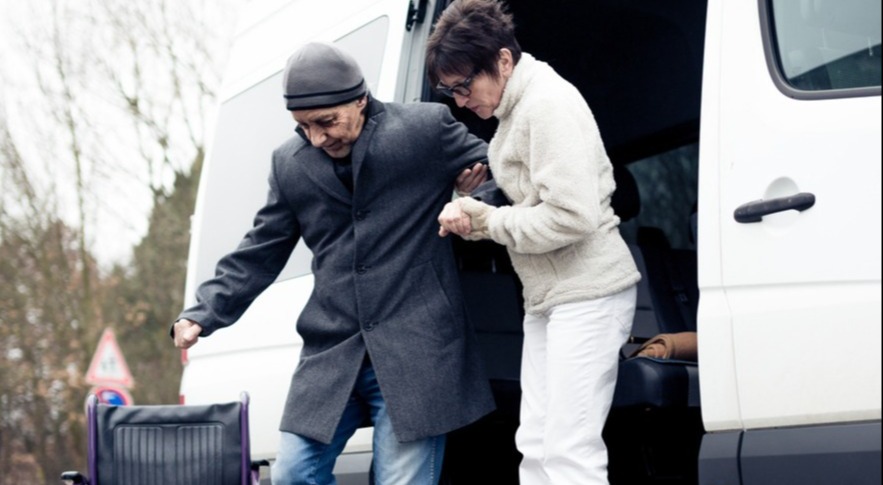
    5 tips to stay healthy at home

    Research-based recommendations to stay in your home and community safely, independently and comfortably for as long as possible.
  • Blog Post

    Does caregiver stress affect the move to long term care?

    Providing care for family members with challenging chronic diseases like dementia can be highly stressful and take a toll on caregivers’ physical and psychological health. When caregivers become “burnt out” are their loved ones more likely to be placed in long term care facilities?
  • Blog Post

    Do self-management programs for diabetes really work?

    Managing diabetes can be challenging for anyone, but for older adults with multiple health and age-related conditions, it can be especially difficult. Dr. Diana Sherifali weighs in on how self-management programs can be adapted to best support older adults with diabetes.
  • Blog Post

    Telemedicine for foot care: Using technology to get back on your feet

    One study suggests that patients receiving follow-up care for diabetic foot or leg ulcers via telemedicine (online or by phone) may spend less time travelling without any negative effect on their health and lower costs to the healthcare system. Dr. Perry Mayer – an expert in diabetic foot care – offers his perspective on the issue.
  • Blog Post

    Can you relate? Options to improve support for unpaid caregivers

    Providing unpaid care offers both rewards and challenges. A panel of caregivers share their thoughts and suggestions about how to better support caregivers.
  • Blog Post

    Hospital in the home: After emergency room treatment, follow-up care at home can be an effective and preferred option

    After a medical emergency, many people prefer to recuperate at home. New research compares the benefits of home care vs hospital care. Citizen contributor Lillian shares her personal perspective.
  • Blog Post

    Exercise for people with heart disease: Can health education help change behaviours?

    People who have been diagnosed with heart disease may be nervous about the effect exercising has on their hearts. However, exercise is actually important for recovery and ongoing health. Health education programs can help motivate people to adopt heart healthy habits.
  • Blog Post

    Diabetic foot care: Awareness and prevention are vital

    People with diabetes are at significantly higher risk for foot disease including ulcers that can lead to serious health problems. A leading expert in diabetic foot care provides important facts and strategies for prevention and protection.
  • Blog Post

    Stay connected! Family caregivers of people with dementia may benefit from online and telephone support

    Caring for a loved one with dementia is challenging and can take a physical and emotional toll. Internet and combined internet and telephone-based programs may provide a cost-effective, easy-to-access option for caregivers seeking information and support.
  • Blog Post

    Enjoy your retirement - but keep moving!

    Retirement often means a more relaxed and leisurely lifestyle. But that doesn’t mean giving up on exercise: regular physical activity is the key to health and vitality.
  • Blog Post

    Ding-dong, it's the doctor calling! Home-based primary care may be a solution for homebound older adults

    Receiving care and treatment in their own homes helps older, frail and homebound adults get the medical attention they need and can improve their health and quality of life.
  • Blog Post

    Options for long-term care mean more choice for older adults

    Home and community based care, assisted living and nursing home care all have related risks and benefits. Decisions about long term care settings should consider the needs and unique circumstances of older adults and the people caring for them.
  • Blog Post

    Caring for the caregivers: Who is meeting the care needs of older adults?

    Families of older adults continue to provide the vast majority of care for their members when necessary. Changes in modern society necessitate support for them from the formal healthcare system.
  • Evidence Summary

    Providing additional care to patients at home instead of in hospital after emergency department admission increases patient satisfaction and reduces cost of care, while resulting in similar health outcomes

    International Journal of Evidence-Based Healthcare (2014)
  • Evidence Summary

    Home-based primary care can reduce hospital and long-term care admissions, and days in care, and improve quality of life and satisfaction with care

    Journal of the American Geriatrics Society (2014)
Want the latest in aging research? Sign up for our email alerts.
Subscribe

Our Content

  • Blog
  • Videos
  • E-Learning
  • Evidence Summaries
  • Professionals

About

  • Our Content
  • Registration
  • Leadership team
  • Labarge Initiative
  • Partners
  • Contact

Support for the Portal is largely provided by the Labarge Optimal Aging Initiative. AGE-WELL is a contributing partner. Help us to continue to provide direct and easy access to evidence-based information on health and social conditions to help you stay healthy, active and engaged as you grow older. Donate Today.


 McMaster University
© 2012 - 2020 McMaster University | 1280 Main Street West | Hamilton, Ontario L8S4L8 | +1 905-525-9140 | Terms Of Use
+AA
Fr