Subscribe

We just need your email, then we'll add you to the list!

Subscribe
McMaster University 905-525-9140 info@mcmasteroptimalaging.org Your source for healthy aging information that you can trust. 1280 Main St W, Hamilton, ON L8S 4L8 McMaster Optimal Aging Portal home
  • Browse
  • Blog
  • E-Learning
    • Lessons
    • Micro-learning
  • Videos
  • Professionals
    • Clinician
    • Public health professional
    • Policymaker (health systems)
    • Policymaker (social systems)
    • Promotional Materials
  • Help
  • Français
Log In Donate
View All Topics

Information technology

Health information technology can support the sharing of health information electronically. The sharing can be done through secure emails and patient portals, among other ways. Technology is changing the healthcare landscape – stay up to date with our trusted resources.

Need help managing medications? Try text message reminders
Read Blog Post
Don't believe the hype: 6 tips to identify trustworthy health information
Read Blog Post
Get the latest content first. Sign up for free weekly email alerts.
Subscribe
Filter Results
95 Show All 38Blog Posts 50Evidence Summaries 7Web Resource Ratings 0Patient Decision Aids

Want to know what professionals are reading?

Search all our content.

Browse other AGE-WELL categories

Supportive homes and communities Health care and health service delivery Autonomy and independence Cognitive health and dementia Mobility and transportation Healthy lifestyles and wellness Staying connected Financial wellness and employment
  • Evidence Summary

    Behavioural interventions delivered through interactive social media for health behaviour change, health outcomes, and health equity in the adult population

    Rating 5 out of 5 stars
    The Cochrane Database of Systematic Reviews (2021)
  • Evidence Summary

    Electronic health interventions can increase physical activity levels among older adults

    Rating 5 out of 5 stars
    Preventive Medicine (2017)
  • Evidence Summary

    Automated telephone communication systems for preventive healthcare and management of long-term conditions

    Rating 5 out of 5 stars
    Cochrane Database of Systematic Reviews (2016)
  • Evidence Summary

    Mobile phone text messages help people with chronic conditions take medications as prescribed

    Rating 5 out of 5 stars
    JAMA Internal Medicine (2016)
  • Evidence Summary

    Personalized feedback increases the effectiveness of online weight loss programs

    Rating 5 out of 5 stars
    Obesity Reviews (2016)
  • Evidence Summary

    Telerehabilitation approaches are equally as effective as conventional rehabilitation for stroke patients

    Rating 5 out of 5 stars
    Journal of Stroke and Cerebrovascular Diseases (2015)
  • Evidence Summary

    Media-delivered cognitive behavioural therapy and behavioural therapy (self-help) for anxiety disorders in adults

    Rating 5 out of 5 stars
    Cochrane Database of Systematic Reviews (2013)
  • Evidence Summary

    Efficacy and experiences of telephone counselling for informal carers of people with dementia

    Rating 5 out of 5 stars
    Cochrane Database of Systematic Reviews (2014)
  • Evidence Summary

    Text-messaging interventions help people quit smoking and improve medication use among HIV positive

    Rating 5 out of 5 stars
    PLoS Medicine (2013)
  • Evidence Summary

    Mobile technology may support weight loss in overweight or obese adults in the short term; but long term impact is unknown.

    Rating 5 out of 5 stars
    Obesity Reviews (2013)
  • Evidence Summary

    Dance exergames can improve various aspects of physical function in older adults

    Rating 4 out of 5 stars
    The Journals of Gerontology. Series A, Biological Sciences and Medical Sciences (2024)
  • Evidence Summary

    Technologies, such as smartwatches or smartphones, may improve behavioural and health outcomes among those living with cardiovascular disease

    Rating 4 out of 5 stars
    Jmir Mhealth and Uhealth (2021)
  • Evidence Summary

    Mobile phone apps for lifestyle modification can reduce average blood sugar levels in type 2 diabetes

    Rating 4 out of 5 stars
    JMIR: Journal of Medical Internet Research Mhealth and Uhealth (2019)
  • Evidence Summary

    Dietary mobile apps may help people with chronic diseases decrease their weight, waist circumference, and calorie intake

    Rating 4 out of 5 stars
    Journal of the Academy of Nutrition and Dietetics (2019)
  • Evidence Summary

    Home exercise supported by electronic tools can lead to small improvements in pain, physical function, and health-related quality of life in individuals with osteoarthritis of the knee

    Rating 4 out of 5 stars
    Journal of Medical Internet Research (2018)
  • Evidence Summary

    Telecommunication to help patients with chronic kidney disease manage blood pressure should be personalized, interactive and provide a mix of services

    Rating 4 out of 5 stars
    Journal of Telemedicine and Telecare (2017)
  • Evidence Summary

    Telehealth technologies help older adults with chronic conditions develop self-management skills and improve their health

    Rating 4 out of 5 stars
    Journal of Telemedicine and Telecare (2017)
  • Evidence Summary

    Interactive self-management programs help people with poorly controlled diabetes decrease blood sugar levels

    Rating 4 out of 5 stars
    Worldviews on Evidence-Based Nursing (2017)
  • Evidence Summary

    Information and communication technology is a promising way to reduce social isolation of older adults

    Rating 4 out of 5 stars
    Journal of Medical Internet Research (2016)
  • Evidence Summary

    Activity monitors may enhance the benefits of physical activity programs in adults with overweight or obesity

    Rating 4 out of 5 stars
    Obesity (2016)
  • Evidence Summary

    Mobile phone apps improve blood sugar levels in people with type 2 diabetes

    Rating 4 out of 5 stars
    Diabetes Care (2016)
  • Evidence Summary

    Remote home management improves the quality of life and attitudes of patients with chronic kidney disease

    Rating 4 out of 5 stars
    Journal of Telemedicine and Telecare (2016)
  • Evidence Summary

    Technical difficulties and preferences for in-person care may reduce patients’ acceptance of telehealth

    Rating 4 out of 5 stars
    Annals of Behavioral Medicine (2014)
  • Evidence Summary

    Patient/provider education, multidisciplinary teams and computer support lead to improvements in prescribing multiple medications

    Rating 4 out of 5 stars
    BMJ Open (2015)
  • Evidence Summary

    Mobile phone text messaging helps overweight and obese adults lose weight

    Rating 4 out of 5 stars
    American Journal of Epidemiology (2015)
  • Evidence Summary

    Online mindfulness programs can reduce stress in adults

    Rating 4 out of 5 stars
    Clinical Psychology Review (2016)
  • Evidence Summary

    Patient-centred technology for monitoring heart failure provides benefits beyond usual care

    Rating 4 out of 5 stars
    Journal of Telemedicine and Telecare (2016)
  • Evidence Summary

    Internet based programs reduce waist circumference.

    Rating 4 out of 5 stars
    Journal of Medical Internet Research (2015)
  • Evidence Summary

    Mobile health interventions can improve medication adherence and physical activity in patients with cardiovascular disease

    Rating 4 out of 5 stars
    European Journal of Preventative Cardiology (2015)
  • Evidence Summary

    eHealth technologies for weight loss have similar benefits as standard programs

    Rating 4 out of 5 stars
    Obesity Reviews (2015)
  • Evidence Summary

    Step counters help reduce sedentary (sitting) time

    Rating 4 out of 5 stars
    Medicine (2015)
  • Evidence Summary

    Technology-based cognitive behavioural therapy (CBT) is likely just as effective at reducing depression among dementia caregivers as traditional care

    Rating 4 out of 5 stars
    Aging & Mental Health (2015)
  • Evidence Summary

    Digital health interventions reduce cardiovascular disease outcomes and improve some risk factors for cardiovascular disease

    Rating 4 out of 5 stars
    Mayo Clin Proc (2015)
  • Evidence Summary

    Follow-up consultations via telemedicine may be an effective alternative to face-to-face consultations for patients suffering from foot ulcerations

    Rating 4 out of 5 stars
    BioMed Central Health Services Research (2014)
  • Evidence Summary

    Integrated care programs can reduce hospital admissions, improve adherence to treatment guidelines and improve patient quality of life

    Rating 4 out of 5 stars
    International Journal for Quality in Health Care (2014)
  • Evidence Summary

    Wii-based exercise programs help to improve balance of older adults

    Rating 4 out of 5 stars
    Clinical Interventions in Aging (2014)
  • Evidence Summary

    Older adults’ use of fall detection and prevention technology can be improved by enhancing usability, independence and safety

    Rating 4 out of 5 stars
    International Journal of Medical Informatics (2014)
  • Evidence Summary

    eHealth interventions should be used more extensively to improve palliative care patients’, caregivers’ and health professionals’ access to needed information

    Rating 4 out of 5 stars
    Journal of Medical Internet Research (2014)
  • Evidence Summary

    Computer delivered interventions have a small effect on knowledge and some health behaviors

    Rating 4 out of 5 stars
    Preventive Medicine (2008)
  • Evidence Summary

    Counseling with activity monitors improves physical activity and health outcomes in patients with type 2 diabetes

    Rating 4 out of 5 stars
    Annals of Medicine (2013)
  • Evidence Summary

    Socially assistive robots can be useful in providing companionship, completing servant-like functions like chores, and conducting daily tasks safely

    Rating 3 out of 5 stars
    Aging and Mental Health (2018)
  • Evidence Summary

    Telerehabilitation may be a feasible way to encourage exercise and improve physical functioning among those with cardiopulmonary disease

    Rating 3 out of 5 stars
    Journal of Cardiopulmonary Rehabilitation and Prevention (2015)
  • Evidence Summary

    Strategies to increase the level of physical activity among persons with Type 2 diabetes are generally effective

    Rating 3 out of 5 stars
    Frontiers in Public Health (2013)
  • Evidence Summary

    Interventions that target patients, healthcare providers, or both may increase shared decision-making, but patients do not consistently report benefits

    Rating 3 out of 5 stars
    Cochrane Database Syst Rev (2014)
  • Evidence Summary

    Some health information technologies improve clinical outcomes that are important to patients

    Rating 3 out of 5 stars
    Evid Rep Technol Assess (Full Rep) (2012)
  • Evidence Summary

    Smart-home systems should improve the quality of life of its users while protecting their privacy

    Rating 2 out of 5 stars
    Sensors (2021)
  • Evidence Summary

    Mobile applications may have a role in combating climate-related health challenges faced by older adults

    Rating 2 out of 5 stars
    Australasian Journal on Ageing (2018)
  • Evidence Summary

    Tangible user interfaces as means of social interaction for the elderly

    Rating 2 out of 5 stars
    Advances in Human-Computer Interaction (2018)
  • Evidence Summary

    Older adults are more likely to accept social robots if the robots are useful and have the ability to interact with users in a humanlike manner

    Rating 2 out of 5 stars
    International Journal of Social Robotics (2018)
  • Blog Post

    Get down with digital: 3 ways digital technologies can enhance health

    What does the research say about the intersection of digital technology and health?
  • Blog Post

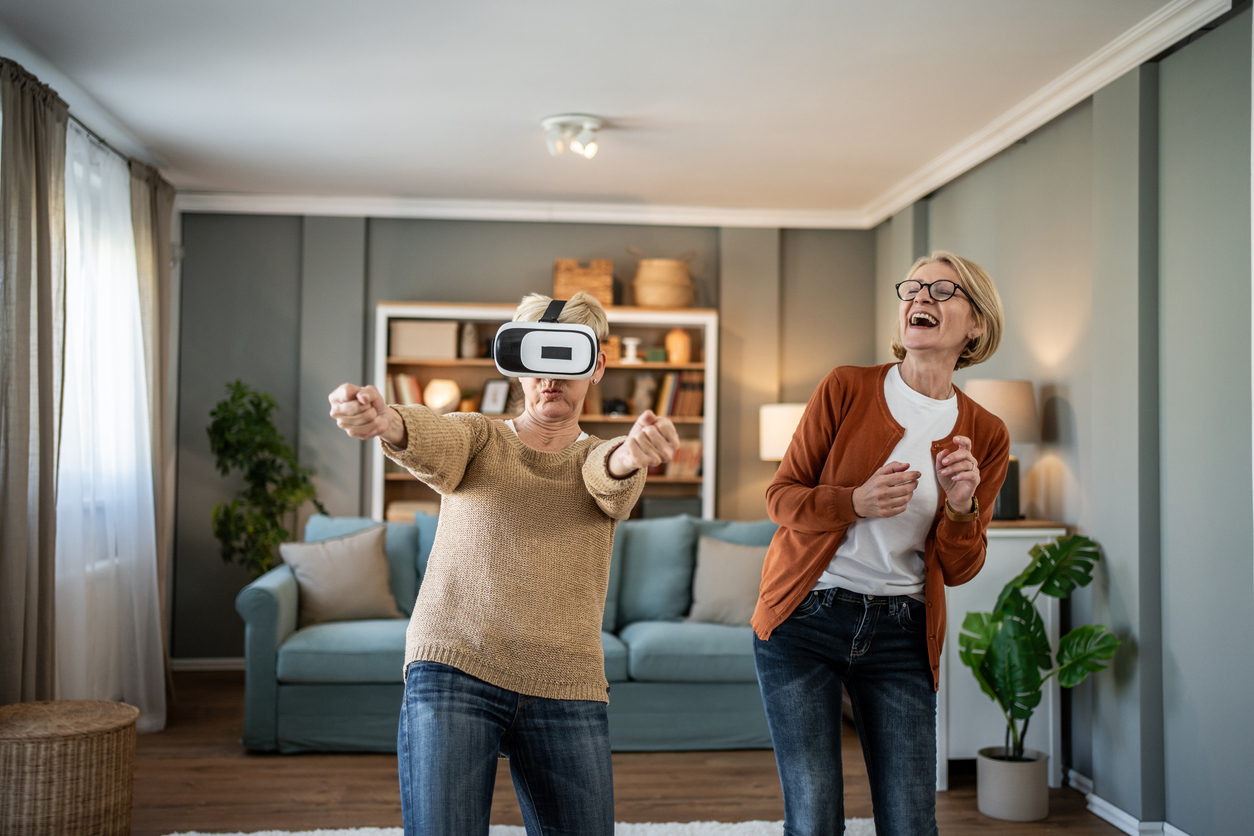
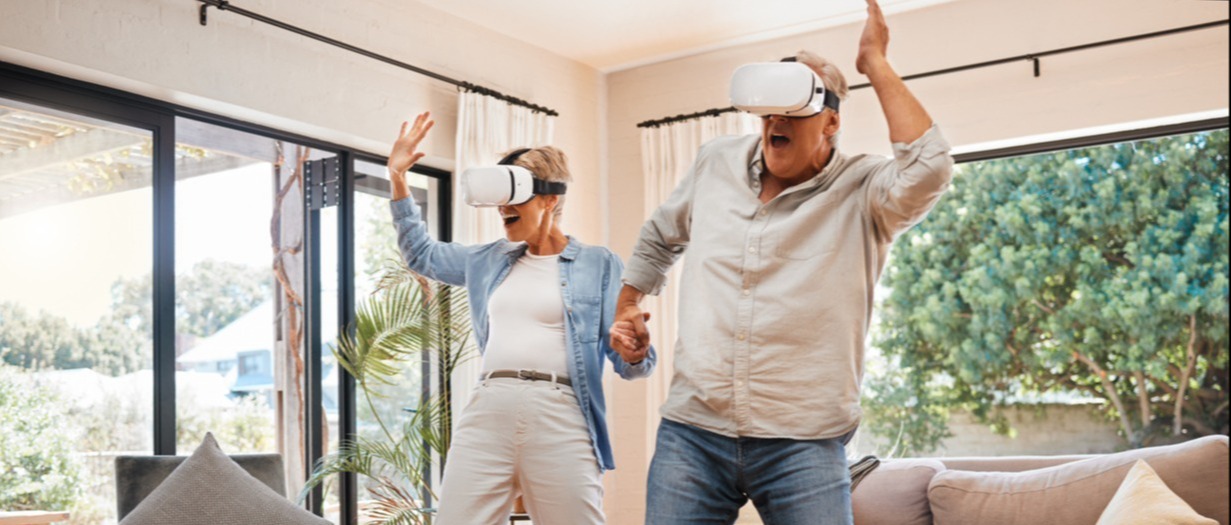
    Getting active with dance-based video games

    Put on your dancing shoes? The combination of dancing and video games may improve some aspects of physical function.
  • Blog Post

    The future is now! Can chatbots help us make healthy lifestyle changes?

    Chatbots have entered the “chat”! Research delves into the use of chatbots as a way to help modify lifestyle behaviours.
  • Blog Post

    A voice assistant at your service

    Personal voice assistants like Apple's Siri, Amazon's Alexa or Google's Assistant are promising to enhance the functional capabilities of people who choose to age in place. But what do we know about their use by older adults?
  • Blog Post

    Social Media: Can it help you improve your health?

    Health information, advice, and programs are rampant on social media. Do they actually help?
  • Blog Post

    Cardiovascular disease: Can digital technologies help?

    Digital health technologies, like wearable tech, are becoming increasingly popular. But do they help people with cardiovascular disease? Let’s see what the research says.
  • Blog Post

    Exercising at home: Can digital technologies help?

    Get your move on at home with the help of digital technology! Research shows benefits for physical function.
  • Blog Post

    Getting “techy”! 3 tech-based strategies and their potential health benefits

    Apps, trackers, virtual reality! Research provides the lowdown on different tech strategies that aim to improve various aspects of our health.
  • Blog Post

    My memories, my digital heritage

    Many seniors suffer from physical or mental health problems such as depression, anxiety or loneliness. Aging can also be accompanied by a decrease in autonomy and a sense of loss of identity. Does the ability to tell one's story in a digital format improve the well-being of older adults?
  • Blog Post

    4 evidence-based benefits of health-related mobile apps

    Is there an app for that? It is highly likely when it comes to health-related matters. Research suggests the following may be positively impacted by mobile health apps: weight management, blood sugar control, mental well-being, and physical activity.
  • Blog Post

    Getting your game on? Smartphone apps to increase physical activity levels

    Gamified smartphone apps show promise as a tool to help you get moving.
  • Blog Post

    The promises of remote-monitoring technologies

    Remote-monitoring technologies and other virtual-care services appear promising to support aging in place. What can we learn from the body of research evidence about remote-monitoring technologies and whether there are fulfilling their promises?
  • Blog Post

    Life post-stroke: Using virtual reality to achieve real world improvements

    Get gaming! Virtual reality therapy may help stroke survivors regain arm function and ease back into their daily activities.
  • Blog Post

    The other side of the screen

    Although no robust systematic review could be identified about zoom fatigue among older adults and the general population, experts have raised a red flag. The overuse of virtual communication platforms could lead to cognitive distortions and non-verbal overload inherent in video communication. This could even increase feelings of isolation and anxiety.
  • Blog Post

    Love in the digital age

    The way we look for our soul mate has evolved in the last few years at the same pace as technology. Several platforms to find love have been created. The same is true for other stages of a couple's life cycle: whether it is to maintain a relationship or to regain autonomy after the dissolution of a couple.
  • Blog Post

    Rheumatic and musculoskeletal conditions and exercise: Getting on track with wearable activity trackers

    We can all use a helping hand from time to time. Being more physically active is one area where some of us need that extra assistance and motivation. Wearable activity trackers may be a source of support for people living with a rheumatic and/or musculoskeletal disease who are looking to increase their activity levels.
  • Blog Post

    Aging in your smart home while preserving your privacy

    More and more smart technologies are making their way into our homes. While smart technologies appear promising to support aging at home, can it maintain our privacy?
  • Blog Post

    Social isolation: Leaning on technology for our mental well-being

    Can telemedicine-based strategies help improve your mental well-being? Research shows some promise for improving depressive symptoms.
  • Blog Post

    Mobile phone apps for blood sugar control

    Are you interested in the evidence behind the use of mobile phone apps for blood sugar control? This strategy holds promise for those with type 2 diabetes, but its effectiveness for those with prediabetes or type 1 diabetes requires further investigation.
  • Blog Post

    Getting around the city: Can geospatial technologies be adapted to help wheelchair users?

    Mobility problems are common and can affect both autonomy and social participation. Among wheelchair users, their mobility is also hampered by various obstacles. But new geospatial assistive technologies may help them get around the city.
  • Blog Post

    5 research-based ways to support those living with type 2 diabetes

    Are you looking for strategies to add to your diabetes management plan? Consider these 5 research-based techniques.
  • Blog Post

    Dietary mobile apps put nutrition help at the fingertips of those with chronic disease

    More and more people are embracing the digital age. Those with chronic diseases have the option of turning to the plentiful supply of dietary mobile apps to better manage their health. While these apps hold promise, more work is needed to determine if they are safe and effective.
  • Blog Post

    Could mobile apps help older adults cope with extreme weather events?

    In recent years, we have seen an increase in extreme weather events. Are there mobile apps combining information about the health status of older adults with information about the environment outside their home (for example, extreme temperatures, icy conditions, or poor air quality)?
  • Blog Post

    Dietary mobile apps put nutrition help at the fingertips of those with chronic disease

    More and more people are embracing the digital age. Those with chronic diseases have the option of turning to the plentiful supply of dietary mobile apps to better manage their health. While these apps hold promise, more work is needed to determine if they are safe and effective.
  • Evidence Summary

    Telecare is a useful support for healthy aging at home, but older adults should have a say in how it is used in their care

    JBI Database of Systematic Reviews and Implementation Reports (2017)
  • Blog Post

    Telehealth: A new fix for an old problem – helping people with chronic conditions take better care of themselves

    Is chronic illness getting you down? Telehealth is a promising way for you to connect with your health care provider and better manage your condition.
  • Blog Post

    The future is here: Socially assistive robots to make your daily life easier

    Socially assistive robots have been developed to deliver care to older adults or to assist caregivers and health professionals. The future is here — are we ready for it?
  • Blog Post

    More connected than ever!

    'Ambient intelligence' technologies and social networks are promising ways to foster interactions and prevent some aging-related problems.
  • Blog Post

    6 research-based ways your smartphone can support your healthy aging goals

    Stay informed, engaged and on track to age well. Find out how your mobile phone can be a helpful tool to help keep you healthy.
  • Blog Post

    Computer brain games for treating cognitive impairment

    Healthy aging involves exercising both the brain and the body. Can computer games and activities improve cognitive abilities in people with cognitive decline?
  • Blog Post

    Recovering from a brain injury? Video games can help!

    They say time flies when you’re having fun. So the key to encouraging people to do their rehabilitation exercises is to make sure they’re enjoyable. Are technology-based games the solution?
  • Blog Post

    Need help managing medications? Try text message reminders

    Text messaging can have health benefits, including helping people better manage their medications.
  • Blog Post

    5 tips to help you quit smoking for good

    Tried to quit smoking in the past and failed? Try again! These five evidence-based strategies can help you kick the nicotine habit.
  • Blog Post

    Telemedicine for foot care: Using technology to get back on your feet

    One study suggests that patients receiving follow-up care for diabetic foot or leg ulcers via telemedicine (online or by phone) may spend less time travelling without any negative effect on their health and lower costs to the healthcare system. Dr. Perry Mayer – an expert in diabetic foot care – offers his perspective on the issue.
  • Blog Post

    There's an app for that! Using technology to promote healthy aging

    Activity trackers, monitors, computer applications, wearables.... there are plenty of options and some can be pricey. Before you spend the money, find out which health gadgets are a good investment in your health and well-being.
  • Blog Post

    Sitting too much? Take steps to support healthy aging

    Too much time spent sitting or lying down can increase our risk of heart disease, diabetes and other serious health problems. Fortunately, you can take steps (literally) to protect yourself.
  • Blog Post

    Stay connected! Family caregivers of people with dementia may benefit from online and telephone support

    Caring for a loved one with dementia is challenging and can take a physical and emotional toll. Internet and combined internet and telephone-based programs may provide a cost-effective, easy-to-access option for caregivers seeking information and support.
  • Blog Post

    Does wearable technology help with weight loss and other health goals?

    Wearable technology encourages people to be more active (at least in the short term), which can lead to weight loss and other health benefits.
  • Blog Post

    Get online and on track to better health!

    Time spent on the internet may improve your health! Computer-delivered interventions on health topics can help improve knowledge, attitudes and behaviours leading to a healthier lifestyle.

Want the latest in aging research? Sign up for our email alerts.
Subscribe

Our Content

  • Blog
  • Videos
  • E-Learning
  • Evidence Summaries
  • Professionals

About

  • Our Content
  • Registration
  • Leadership team
  • Labarge Initiative
  • Partners
  • Contact

Support for the Portal is largely provided by the Labarge Optimal Aging Initiative. AGE-WELL is a contributing partner. Help us to continue to provide direct and easy access to evidence-based information on health and social conditions to help you stay healthy, active and engaged as you grow older. Donate Today.


 McMaster University
© 2012 - 2020 McMaster University | 1280 Main Street West | Hamilton, Ontario L8S4L8 | +1 905-525-9140 | Terms Of Use
+AA
Fr