
Subscribe

We just need your email, then we'll add you to the list!

Subscribe
McMaster University 905-525-9140 info@mcmasteroptimalaging.org Your source for healthy aging information that you can trust. 1280 Main St W, Hamilton, ON L8S 4L8 McMaster Optimal Aging Portal home
  • Browse
  • Blog
  • E-Learning
    • Lessons
    • Micro-learning
  • Videos
  • Professionals
    • Clinician
    • Public health professional
    • Policymaker (health systems)
    • Policymaker (social systems)
    • Promotional Materials
  • Help
  • Français
Log In Donate
View All Topics

Nervous system disorders

Our resources provide a wealth of evidence-based information about diagnosing and living with various nervous system disorders including multiple sclerosis (MS) and Parkinson’s disease. From exercise therapy, to foods to avoid, learn more below.

Get the latest content first. Sign up for free weekly email alerts.
Subscribe
Filter Results
46 Show All 10Blog Posts 22Evidence Summaries 14Web Resource Ratings 2Patient Decision Aids

Want to know what professionals are reading?

Search all our content.

Browse other AGE-WELL categories

Supportive homes and communities Health care and health service delivery Autonomy and independence Cognitive health and dementia Mobility and transportation Healthy lifestyles and wellness Staying connected Financial wellness and employment
  • Evidence Summary

    Nonpharmacological interventions can reduce depressive symptoms for caregivers of older adults with mild cognitive impairments

    Rating 5 out of 5 stars
    American Journal of Alzheimers Diseases and Other Dementias (2018)
  • Evidence Summary

    Physical exercise for people with Parkinson's disease: a systematic review and network meta-analysis.

    Rating 4 out of 5 stars
    Cochrane Database Syst Rev (2023)
  • Evidence Summary

    Interventions for preventing falls in Parkinson's disease.

    Rating 4 out of 5 stars
    Cochrane Database Syst Rev (2022)
  • Evidence Summary

    In people with Parkinson disease, home-based exercise helps with balance-related activities and walking speed by a small amount compared with usual care and may be similar to centre-based exercise

    Rating 4 out of 5 stars
    J Physiother (2019)
  • Evidence Summary

    In people with Parkinson disease, aquatic exercise improved some outcomes more than land-based exercise

    Rating 4 out of 5 stars
    J Physiother (2019)
  • Evidence Summary

    Pregabalin for neuropathic pain in adults.

    Rating 4 out of 5 stars
    Cochrane Database Syst Rev (2019)
  • Evidence Summary

    Vitamin D for the management of multiple sclerosis.

    Rating 4 out of 5 stars
    Cochrane Database Syst Rev (2018)
  • Evidence Summary

    Corticosteroids for Bell`s palsy (idiopathic facial paralysis).

    Rating 4 out of 5 stars
    Cochrane Database Syst Rev (2016)
  • Evidence Summary

    In adults with neurologic disorders such as multiple sclerosis, supervised exercise training reduces depressive symptoms

    Rating 4 out of 5 stars
    Arch Phys Med Rehabil (2015)
  • Evidence Summary

    Interventions for fatigue in Parkinson`s disease.

    Rating 4 out of 5 stars
    Cochrane Database Syst Rev (2015)
  • Evidence Summary

    Treadmill training for patients with Parkinson's disease.

    Rating 4 out of 5 stars
    Cochrane Database Syst Rev (2015)
  • Evidence Summary

    Exercise therapy for fatigue in multiple sclerosis.

    Rating 4 out of 5 stars
    Cochrane Database Syst Rev (2015)
  • Evidence Summary

    Antiviral treatment for Bell`s palsy (idiopathic facial paralysis).

    Rating 4 out of 5 stars
    Cochrane Database Syst Rev (2015)
  • Evidence Summary

    Drug treatments can help people with pain from damaged nerves (neuropathic pain)

    Rating 4 out of 5 stars
    Lancet Neurol (2015)
  • Evidence Summary

    Several drugs reduce pain related to diabetic neuropathy in the short-term

    Rating 4 out of 5 stars
    Ann Intern Med (2014)
  • Evidence Summary

    Balance-recovery training may lower risk of falls for older adults and people with Parkinson’s disease

    Rating 4 out of 5 stars
    Physical Therapy (2015)
  • Evidence Summary

    Cholinesterase inhibitors slow cognitive decline and do not affect falls in people with Parkinson’s disease

    Rating 4 out of 5 stars
    J Neurol Neurosurg Psychiatry (2014)
  • Evidence Summary

    Epidural corticosteroid injections have a small, short-term benefit for leg pain and disability in patients with sciatica

    Rating 4 out of 5 stars
    Ann Intern Med (2012)
  • Evidence Summary

    Interventions for promoting physical activity in people with neuromuscular disease.

    Rating 3 out of 5 stars
    Cochrane Database Syst Rev (2021)
  • Evidence Summary

    Acupuncture and related interventions for the treatment of symptoms associated with carpal tunnel syndrome.

    Rating 3 out of 5 stars
    Cochrane Database Syst Rev (2018)
  • Evidence Summary

    Memory rehabilitation for people with multiple sclerosis.

    Rating 3 out of 5 stars
    Cochrane Database Syst Rev (2016)
  • Evidence Summary

    Nortriptyline for neuropathic pain in adults.

    Rating 3 out of 5 stars
    Cochrane Database Syst Rev (2015)
  • Blog Post

    3 areas home-based strategies can help

    Research spotlights where home-based strategies can be effective.
  • Blog Post

    3+ evidence-based benefits of exercise for Parkinson's disease

    Are you or someone you know living with Parkinson’s disease? Research highlights where exercise can help.
  • Blog Post

    Parkinson’s and falls prevention: What works?

    Research highlights what falls prevention strategies may be beneficial for people living with Parkinson’s disease.
  • Blog Post

    4 populations that can benefit from home-based exercise

    Research highlights how four populations can benefit from leveraging their homes for physical activity.
  • Blog Post

    What exercise types are effective for Parkinson’s disease?

    The more the merrier! Research shows many types of exercise can be beneficial for people living with Parkinson’s disease.
  • Blog Post

    Parkinson's disease: opening the dialogue to avoid self-stigma

    Parkinson’s is the world’s fastest growing neurological disease. People with Parkinson's disease not only have to live with complex symptoms, but also must face stigma that can become internalized.
  • Blog Post

    Home-based exercise programs for Parkinson’s disease: Accessible exercise from the comfort of home

    It’s no secret that exercise is good for us, but did you know that exercises performed from the comfort of home can improve balance and walking speed in people with Parkinson’s disease?
  • Blog Post

    The shingles vaccine: Should you get it?

    Shingles is a painful condition that can attack anyone who has ever had chicken pox, but is most likely to strike older adults and others with weakened immune systems. Vaccines are available that cut the chance of getting shingles. Is vaccination worth it? Dr. Mark Loeb provides a professional view and shingles patient Jean shares her personal experience.
  • Blog Post

    Treating behavioural problems of dementia: When confusion leads to controversy

    The majority of people with Alzheimer’s will develop behaviour problems over time and this causes much suffering and stress for patients and caregivers. There are solutions to manage this.
  • Blog Post

    Recognize and prevent delirium (confusion and agitation) when in hospital.

    Simple interventions (family visits, familiar objects, clocks) may help to prevent or recover from acute delirium in hospital. Recognize confusion or agitation and inform staff.
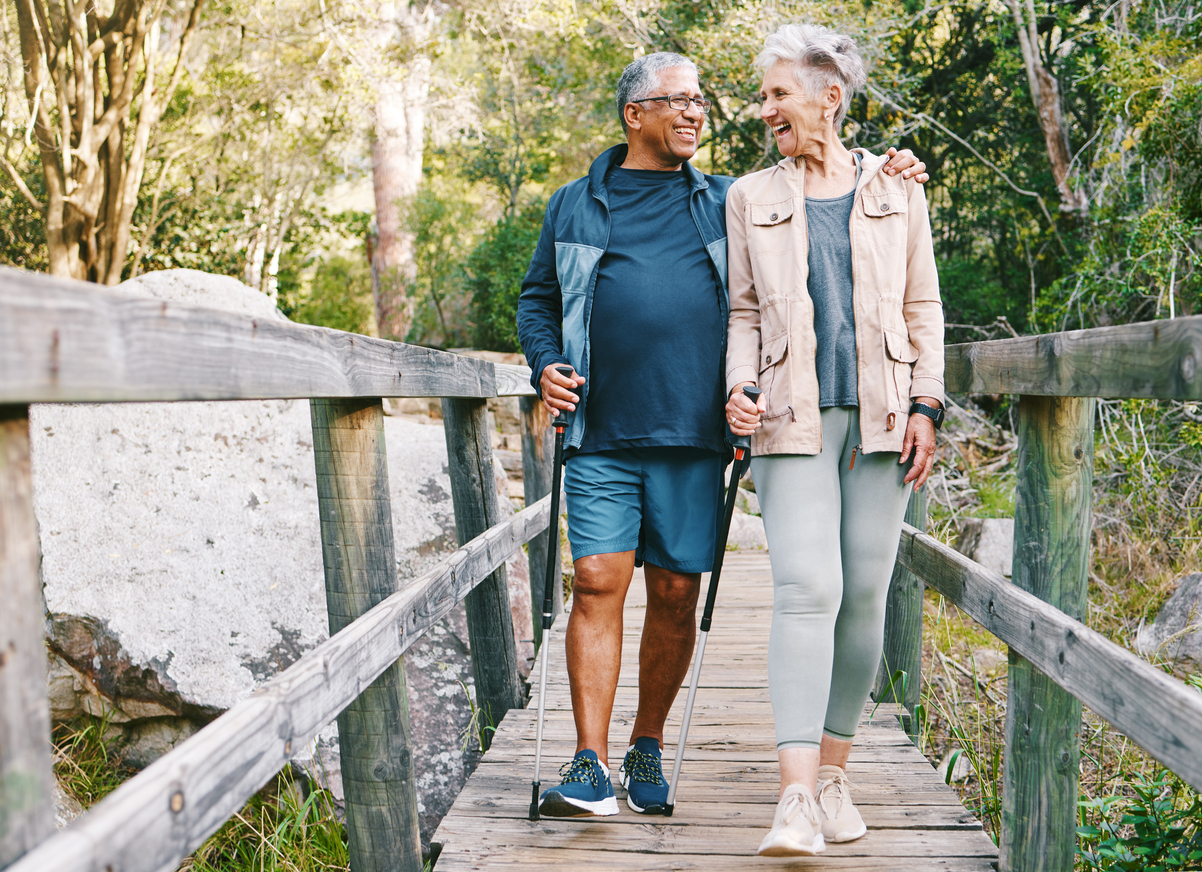
Want the latest in aging research? Sign up for our email alerts.
Subscribe

Our Content

  • Blog
  • Videos
  • E-Learning
  • Evidence Summaries
  • Professionals

About

  • Our Content
  • Registration
  • Leadership team
  • Labarge Initiative
  • Partners
  • Contact

Support for the Portal is largely provided by the Labarge Optimal Aging Initiative. AGE-WELL is a contributing partner. Help us to continue to provide direct and easy access to evidence-based information on health and social conditions to help you stay healthy, active and engaged as you grow older. Donate Today.


 McMaster University
© 2012 - 2020 McMaster University | 1280 Main Street West | Hamilton, Ontario L8S4L8 | +1 905-525-9140 | Terms Of Use
+AA
Fr